Inside the Istanbul Financial Centre's Fintech Cluster: A $3.3 Billion Bet on Turkey's Financial Future
The government's flagship IFC is the largest purpose-built financial infrastructure project in Turkey's history. Its dedicated fintech cluster is beginning to attract anchor tenants and international interest. Financial centres take time. The early signs suggest Ankara's patience may be well placed.
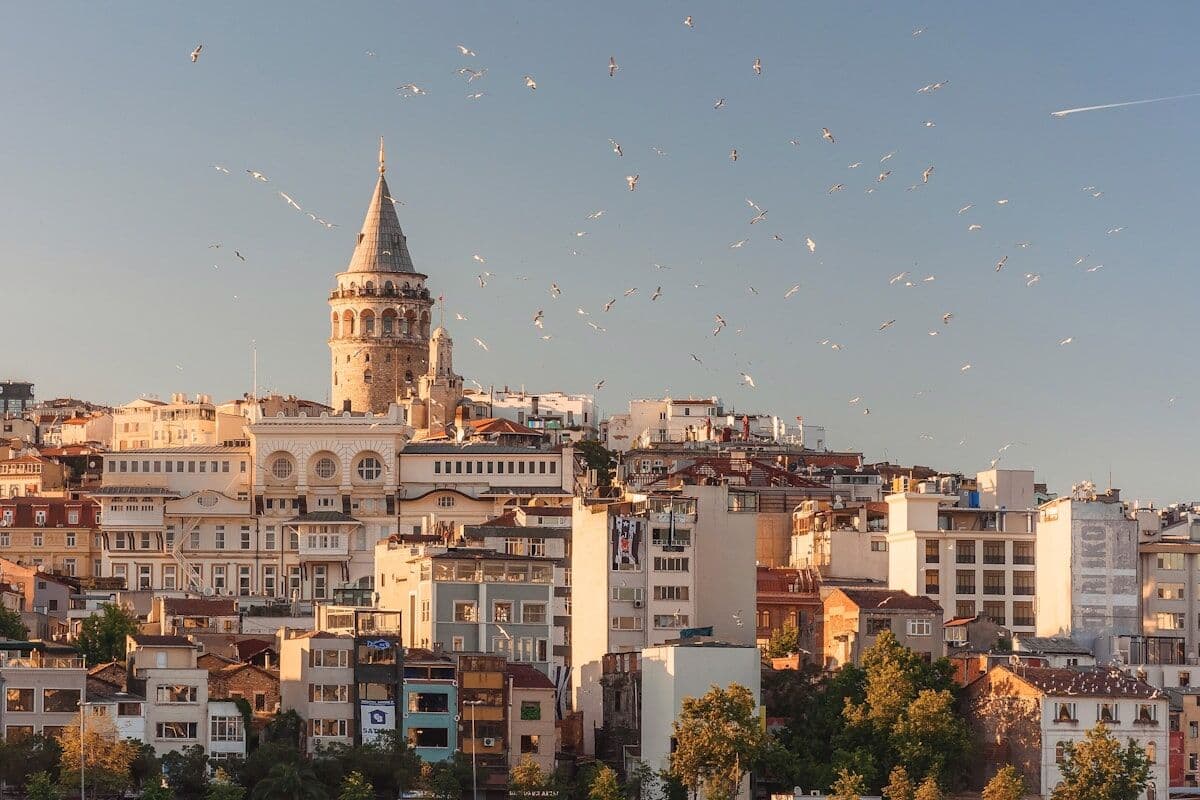
The Istanbul Financial Centre (İstanbul Finans Merkezi, or IFM) occupies a purpose-built campus in Ataşehir, on the Asian side of the city. It cost an estimated $3.3 billion, making it the single largest financial infrastructure investment in Turkish history. Inaugurated by the president in April 2023, the IFM was designed to do what no Turkish project has attempted at this scale: create a dedicated, globally competitive financial district that can serve as a regional hub for capital markets, banking, and, crucially, financial technology. The fintech cluster, housed on a dedicated floor with subsidised office space, shared meeting rooms, and direct access to regulatory liaison offices, has already secured anchor tenants including two licensed payment institutions and a blockchain analytics firm with offices in London and Singapore. Several units remain vacant, but the firms that have moved in are operational and growing. The campus is early-stage, not abandoned, a distinction that matters.
The obvious historical comparison is Canary Wharf. When the London Docklands project opened in 1991, it was widely dismissed as a vanity project: too far from the City, too speculative, too dependent on government subsidy. It took nearly a decade and a financial crisis before major banks committed to relocating. Dubai's DIFC followed a similar arc: four years of below-target occupancy before reaching critical mass around 2008. The IFM's trajectory, measured against these precedents, is unremarkable. The campus has been operational for less than two years. Several major Turkish banks, including Ziraat Bankası and Halkbank, have committed to phased relocations. The Borsa Istanbul integration, which will bring exchange operations onto the campus, is expected to accelerate institutional migration. Perhaps more importantly, the physical infrastructure (fibre connectivity, Tier IV data centre access, and a dedicated regulatory services floor) represents a sunk investment that no competing location in Istanbul can replicate.
The fintech cluster specifically is designed around a thesis that proximity matters: that housing startups near regulators, banks, and exchange infrastructure reduces friction in ways that remote-first models cannot fully replicate. Early signs support this. The design places compliance teams within walking distance of the regulatory liaison office, replacing courier and e-filing delays with direct access. The IFM's published occupancy data shows that the fintech cluster has attracted tenants from the Gulf and Central Asia seeking a regulated European-adjacent base. The campus is not yet full. But the government's $3.3 billion wager was never about year one. It was about building the physical scaffolding for a financial centre that could take a decade to mature. Measured against that ambition, and against the historical precedent of every successful financial district built from scratch, the IFM is progressing within a reasonable band.
Fonkuşu
Fonkuşu is an independent publication covering Turkey's fund industry, fintech ecosystem, and capital markets. We accept no payment from subjects of our reporting.
See an error? Submit a correction.